Table of Contents
- Louisiana Home Selling
- Which Areas in Louisiana Offer the Best Return on Investment and Are Easiest for Residential Property Development?
- What Home Styles, Sizes, and Features Tend to Sell Fastest in the Louisiana Market?
- What Should Home Sellers Know About Zoning Laws, Permits, and Regulatory Requirements in Louisiana?
- Which Towns or Cities in Louisiana Are Easiest, and Hardest, When It Comes to Navigating Real Estate Regulations?
- What Are the Most Effective Flipping and Resale Strategies for Maximizing Profit in Louisiana's Housing Market?
- How Should Sellers Price Their Homes to Attract Buyers While Maximizing Value in Louisiana?
- Which Key Economic, Social, and Regulatory Factors Are Driving Current Trends in Louisiana's Local Property Markets?
Louisiana Home Selling
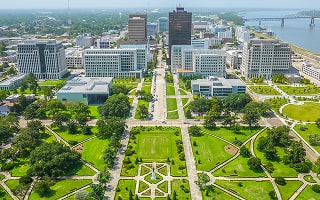
Louisiana's property market remains one of the most affordable in the United States, with a median sale price of around $257,000 (as of October 2025). This figure is more than 40% lower than the national median of about $440,000, and roughly in line with affordable southern neighbors like Arkansas ($271,800) and Mississippi ($264,500).
Following a steady increase in supply throughout the first half of 2025, the number of homes for sale has declined slightly during the second half of the year. With around 17,000 homes for sale in October 2025 (-3.7% year over year), the Pelican State maintained a relatively tight average supply of 4 months, pointing to a balanced market that still favored sellers.
Despite year-over-year price growth, homes in Louisiana tend to sit longer on the market than in many other parts of the country. According to Federal Reserve Economic Data (FRED), the median days on market (DOM) in the state was 71 in September 2025, which was slower than the national median of 62 days. This figure places Louisiana among the more sluggish housing markets in terms of turnover speed.
In terms of homebuilding, residential construction activity in Louisiana is moderate, but typically lags behind both the national rate and fast-growing states such as Texas and Florida. New supply constraints continue to contribute to Louisiana's tight inventory levels, putting additional upward pressure on prices.
While prices continue to inch up, one major advantage of homeownership in Louisiana is the state's low effective property tax rate, which averages around 0.55%. This places the state in the bottom quartile nationally, with an estimated tax bill of just $1,146 on a median-priced home. Consequently, investing in the state's real estate market is attractive to budget-conscious buyers and long-term investors looking to reduce holding costs.
In terms of financial risk, Louisiana has seen more foreclosures in recent months, with a rate of one foreclosure in every 4,602 households. While other states like Florida, Nevada, and New Jersey outpace the Pelican State, Louisiana's foreclosure rate ranks 20th highest nationwide, with areas like Iberville, Ascension, and Beauregard experiencing more foreclosures per housing unit.
Which Areas in Louisiana Offer the Best Return on Investment and Are Easiest for Residential Property Development?
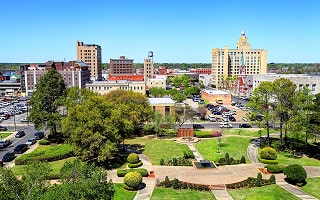
Investing in the Louisiana real estate market is considered by some to be one of the more reliable routes to building long-term wealth and short-term profits. The state is known for its historic cities, diverse economy, and rich culture.
However, anyone looking to invest in the state's real estate market should consider these top locations, which may offer the potential for solid returns on investment:
-
New Orleans: Fondly known as The Big Easy, New Orleans is known for its iconic 19th-century architecture, music and culture, and year-round tourism, which makes for strong rental demand. The city also has preservation-friendly policies that can help preserve home values and potentially increase appreciation potential. Although home prices in Louisiana's largest city have declined in 2025, it still offers opportunities for resilient investors.
-
Lafayette: Despite hitting all-time highs earlier this year, Lafayette still has a median home price of about $247,000, offering an affordable option for investors seeking entry into the Louisiana real estate market. Lafayette's robust oil and gas industry supports employment, and housing demand related to the University of Louisiana makes it a consistent choice for buy-and-hold investors.
-
Baton Rouge: The local housing market in Baton Rouge is a consistent performer owing to a stable real estate environment and the capital city's diverse economy. In addition, Baton Rouge is Louisiana State University's employment base, and its affordable entry prices and pro-development zoning corridors create steady rental demand and value growth opportunities.
-
Shreveport: Though median home prices jumped nearly 5% year over year in October 2025, Shreveport offers a highly affordable market with strong potential for returns on value investments, typically for investors looking for long-term growth. Additionally, military-town rental needs from Barksdale Air Force Base, low median home prices ($183,000 as of October 2025), and accelerating downtown revitalization projects can deliver above-average yields for both flips and long-term holds.
-
Lake Charles: A recent boom in industrial and energy projects has led to worker relocation, tightening housing supply in Lake Charles. After homes in the area saw above-average appreciation rates and double-digit rent increases, the market has since declined significantly, which may be appealing to investors seeking a discount. However, as with many other areas of the state hurricanes and flooding remain a persistent risk.
-
Monroe: Property values in this location remain affordable in comparison to other local markets like Baton Rouge and New Orleans. Local economic factors, such as the presence of ULM (University of Louisiana at Monroe), create strong demand for student and faculty housing. The River Oaks area may be a good location to consider an investment in Monroe, as it offers upscale properties and is home to the popular River Oaks School.
-
Slidell: Slidell offers a suburban alternative for investors working in the City of New Orleans seeking a different lifestyle and lower housing costs. The median property price in this location is about $267,000, which makes purchasing properties here an attraction to investors looking to acquire properties with low initial capital.
-
Metairie: Investors looking for steady growth and a variety of opportunities may find this New Orleans suburb attractive. Though entry prices are higher than elsewhere in the state (around $345,000) this unincorporated community is known for shopping, nightlife, and other attractions, making it appealing to young professionals, families, and retirees seeking an urban-suburban lifestyle.
-
Covington: Located on the Northshore of Lake Pontchartrain, Covington benefits from strong school districts, a tight housing inventory, and low crime. These make it a favorite for upscale suburban development.
-
Prairieville: A southern suburb of Baton Rouge, Prairieville is one of the fastest-growing communities in Louisiana, largely due to urban spillover. This growth fuels strong demand for new housing, both rentals and sales, driving up property values. With easy access to major highways like Interstate 10, Prairieville offers residents a short commute to Baton Rouge and nearby industrial hubs like Geismar and Gonzales.
What Home Styles, Sizes, and Features Tend to Sell Fastest in the Louisiana Market?
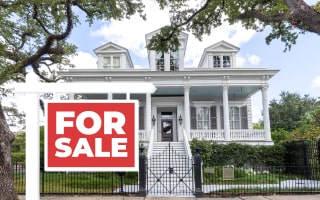
Louisiana ranks as one of the slower-selling states in the nation, with the median time on market estimated at 69 days. However, in more competitive places like Baton Rouge or Jefferson Parish, homes often move in 20-30 days.
Homes that move fastest in Louisiana typically have the following features:
-
![]() Bedrooms: Homes with 3-4 bedrooms and at least 2 bathrooms tend to sell faster in Louisiana. People prefer this layout because it balances space and cost, making it ideal for growing families and first-time buyers. In Lafayette and Baton Rouge suburbs, well-priced 3- to 4-bedroom homes with 2 bathrooms often go under contract in fewer than 65 days.
Bedrooms: Homes with 3-4 bedrooms and at least 2 bathrooms tend to sell faster in Louisiana. People prefer this layout because it balances space and cost, making it ideal for growing families and first-time buyers. In Lafayette and Baton Rouge suburbs, well-priced 3- to 4-bedroom homes with 2 bathrooms often go under contract in fewer than 65 days.
-
![]() Size and Lot: Typically, single-family homes in Louisiana average around 1,800-1,900 square feet, helping balance demand and affordability and facilitating faster sales. Overall, homes sized in the 1,800-2,500 square-foot range, especially those with 3-4 bedrooms, align with buyer preferences across the state.
Size and Lot: Typically, single-family homes in Louisiana average around 1,800-1,900 square feet, helping balance demand and affordability and facilitating faster sales. Overall, homes sized in the 1,800-2,500 square-foot range, especially those with 3-4 bedrooms, align with buyer preferences across the state.
-
![]() Style: Acadian-inspired cottages, raised-cottage designs, and ranch homes are perennial favorites in Louisiana, especially in markets like Lafayette and Thibodaux. Also, traditional and Southern-style homes, especially those with brick exteriors, front porches, and symmetrical designs, consistently attract strong buyer interest statewide. Finally, modern farmhouse styles, like those featuring board-and-batten siding, black windows, and open layouts, are popular in suburban builds such as Central or Watson, often selling quickly when paired with smart layouts.
Style: Acadian-inspired cottages, raised-cottage designs, and ranch homes are perennial favorites in Louisiana, especially in markets like Lafayette and Thibodaux. Also, traditional and Southern-style homes, especially those with brick exteriors, front porches, and symmetrical designs, consistently attract strong buyer interest statewide. Finally, modern farmhouse styles, like those featuring board-and-batten siding, black windows, and open layouts, are popular in suburban builds such as Central or Watson, often selling quickly when paired with smart layouts.
-
![]() Modern Upgrades: Energy-efficient homes with features like double-paned windows, spray foam insulation, and tankless water heaters are often top sellers, especially in newly built developments in Ascension and Livingston Parishes. In addition, updated kitchens with quartz or granite countertops, stainless steel appliances, and open-concept layouts are often deal-clinchers in urban markets like New Orleans and Baton Rouge. Overall, move-in-ready homes with neutral colors often sell faster than comparable homes requiring updates, even if the latter are cheaper.
Modern Upgrades: Energy-efficient homes with features like double-paned windows, spray foam insulation, and tankless water heaters are often top sellers, especially in newly built developments in Ascension and Livingston Parishes. In addition, updated kitchens with quartz or granite countertops, stainless steel appliances, and open-concept layouts are often deal-clinchers in urban markets like New Orleans and Baton Rouge. Overall, move-in-ready homes with neutral colors often sell faster than comparable homes requiring updates, even if the latter are cheaper.


What Should Home Sellers Know About Zoning Laws, Permits, and Regulatory Requirements in Louisiana?
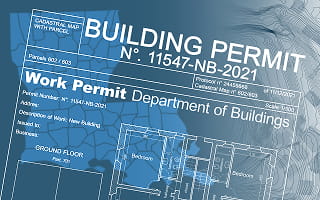
Zoning laws govern various approved land use options in Louisiana. However, these laws, in addition to the processes for obtaining building permits and other regulatory requirements, vary across Louisiana jurisdictions. To help maximize returns on investment, investors must ensure they comply with all local zoning laws, permitting processes, and regulatory requirements.
To confirm zoning status and legal land uses, developers and property owners should obtain a zoning verification letter. This letter is generally issued by the local planning or zoning office, and can help investors close transactions faster by giving buyers more confidence. Property buyers will also often request a zoning verification letter to confirm a property's use and flag potential restrictions or other issues.
Below is a breakdown of key jurisdictions in Louisiana and how their zoning and permit frameworks differ:
-
Jurisdictions with strict zoning laws: In New Orleans, the city's comprehensive zoning ordinance enforces rigorous land-use rules, infrastructure compliance, and development standards. Any rezoning or conditional-use applications typically involve public hearings and review by zoning authorities. In addition, Shreveport-Caddo Parish implements strict zoning protocols, with site plans, special permits, variances, and use approvals overseen by the Metropolitan Planning Commission.
-
Areas with less bureaucratic zoning laws: In many of Louisiana's smaller police-jury parishes, zoning is kept to the basics: residential, commercial, and agricultural districts with few overlays or special restrictions. This simplicity means permit reviews tend to move quickly, giving sellers and developers more predictability and a faster path to approval.
Also, suburban and unincorporated jurisdictions, such as Ascension Parish, parts of East Baton Rouge Parish outside Baton Rouge city limits, and East Lafayette suburbs, are generally more flexible. These areas feature developer-friendly zoning oversight, faster permit turnarounds, and fewer layers of administrative review, making them attractive for residential developers seeking efficiency and ROI.
-
Jurisdictions requiring a special permit via public hearing and approval from the zoning board: In Lafayette City and Lafayette Parish, any change to zoning districts or rules must go before the Zoning Commission and City Council in public hearings. Notices get published three times in the local journal, with at least ten days between the first notice and the hearing itself.
Cities like Baton Rouge and Shreveport also require public hearings for many zoning changes, such as conditional uses, multifamily rezoning, or significant variances. In Baton Rouge, amendments or applications involving land-use changes are publicly advertised and reviewed by the Planning Commission and the Metropolitan Council at scheduled hearings.
Similarly, in Shreveport, applications for exceptions, use approvals, or variances go before zoning boards and often require a public hearing process.
-
Areas where a Certificate of Occupancy (CO) is mandatory before legal occupation: Shreveport in Caddo Parish requires a Certificate of Occupancy for all businesses and any change in occupant or use. The city inspects fire, building, plumbing, electrical, HVAC, zoning, and health standards before issuing a CO, and operating a business without one is illegal. Residential COs follow a similar, separate process for home-based businesses.
New Orleans also mandates a fresh CO whenever a building sits vacant for more than 180 days, with ownership changes of commercial property, or shifts its use.
-
Areas where a historic commission requires approval for certain renovations and changes of appearance: In New Orleans, development and renovation works in areas like the Garden District fall under the Historic District Landmarks Commission; no exterior work visible from public right-of-way may proceed without a Certificate of Appropriateness. In St. John the Baptist Parish, the Historic District Commission reviews any renovation or demolition visible from public streets, governed by district-specific design guidelines and public hearing rules.
Which Towns or Cities in Louisiana Are Easiest, and Hardest, When It Comes to Navigating Real Estate Regulations?

The local real estate markets in Louisiana present a diverse range of challenges for investors and developers in terms of difficulties in obtaining permits and meeting the requirements of zoning ordinances. Therefore, anyone planning on investing in the Louisiana real estate market must research the prevailing rules and ordinances in the area before developing, buying, renovating, or selling.
The following shows a breakdown of the regulatory climate in various Louisiana local areas:
Development-Friendly Areas

These places typically have streamlined permitting, favorable zoning flexibility, and pro-growth attitudes:
- Ascension Parish: Places like Prairieville and Gonzales offer fast-track permitting, minimal red tape, and clear zoning guidance, making it a favorite for both custom builders and national developers.
- Youngsville: One of Louisiana's fastest-growing cities, Youngsville is known for its developer-friendly leadership and suburban master-planned communities.
- Walker and Denham Springs: These areas are known for affordable land, fewer zoning barriers, and quick permit issuance, especially for subdivisions and spec homes.
Moderately Regulated Areas
Moderately regulated areas, like those listed below, offer a balanced approach to real estate oversight. Although regulations remain in place and may be tightly enforced, the process is typically manageable, especially for standard residential developments:
- Lafayette: Enforces zoning and building codes through its Unified Development Code, but maintains a responsive planning office with relatively predictable approval processes.
- Baton Rouge: Requires zoning compliance and may involve public hearings for variances or multifamily developments; however, the permitting system is generally navigable for experienced applicants.
- Slidell: The city has moderate floodplain management and development regulations, especially near wetlands or coastal areas, though it generally supports controlled residential expansion.
Highly Restrictive or Bureaucratic Areas

These places feature complex regulations and usually experience strong resistance to new development for varying reasons. Hence, navigating real estate requirements and rules in these jurisdictions may be time-consuming and costly:
- New Orleans: One of the most regulated markets in the state, requiring Certificates of Appropriateness in historic districts, Certificates of Occupancy for many uses or changes, and public hearings for land-use changes or variances. The French Quarter, Bywater, and Garden District are especially restrictive.
- Shreveport: The city has a detailed Unified Development Code and Historic Preservation overlays. Special-use approvals often require public hearings, and occupancy or renovation work must meet tight standards.
- Gretna: Gretna enforces strict historic preservation and building codes, with exterior alterations in the Historic District subject to commission review and design rules.
- Lake Charles: Lake Charles requires comprehensive site plan approvals, Certificates of Occupancy, and, within its Historic Districts, compliance with preservation standards that can extend development timelines.
Regulatory Climate Factors

Factors regulating the real estate climate vary across Louisiana communities, which can strongly influence how easy or difficult it is to develop, renovate, or flip property in the state. Understanding where these conditions exist helps investors, builders, and sellers anticipate costs, approval timelines, and compliance hurdles.
Factor |
Impact on Development |
Where It's Found |
|---|---|---|
Zoning Flexibility |
Determines ease of land use |
Prairieville, Youngsville, Central, Denham Springs |
Historic Preservation Laws |
Adds restrictions |
New Orleans (French Quarter, Garden District, Bywater), Gretna, Shreveport Highland Historic District, Lake Charles Charpentier Historic District |
Wetlands/Conservation |
Limits buildable land |
Slidell, Houma-Terrebonne Parish, St. Tammany Parish, Calcasieu, and Cameron Parishes |
Inclusionary Zoning |
Requires affordable units |
New Orleans |
Building Code Enforcement |
Affects cost/speed |
East Baton Rouge, Orleans Parish, and Lafayette |
Local Politics/NIMBYism* |
Blocks or delays projects |
Uptown New Orleans, Baton Rouge, Garden District, Old Mandeville, and parts of Lake Charles |
*NIMBYism - Not in My Backyard
What Are the Most Effective Flipping and Resale Strategies for Maximizing Profit in Louisiana's Housing Market?
Based on the unique economic conditions, zoning environments, and buyer behavior patterns in the Louisiana housing market, these are the most effective resale and flipping strategies used by real estate investors in the Pelican State:
-
![]()
Target Distressed or Foreclosed Homes: There's a steady stream of pre-foreclosures, REOs (i.e., bank-owned properties), and auction properties in Louisiana, especially in post-hurricane recovery zones such as Lake Charles and lower-income New Orleans neighborhoods. Experienced flippers can unlock strong potential returns by buying properties at significant discounts and either reselling post-rehab or holding as part of a long-term rental portfolio.
-
![]()
Use the 70% Rule [Maximum Offer = (ARV x 70%) - Repair Costs]: The 70% Rule may help keep investors' profit margin intact, especially in Louisiana locations where prices and flood-related repairs can run high. If you're looking to invest in properties where repair costs tend to run high, such as older historic homes in New Orleans or storm-impacted homes in Calcasieu Parish, consider using this rule. The rule states that you should pay no more than 70% of the home's after-repair value, less any repair costs.
-
![]()
Try Wholetailing for Speed: Acting with speed is important in many Louisiana local property markets, such as the fast-selling suburbs in Prairieville, Youngsville, and Denham Springs. Wholetailing involves making minimal cosmetic improvements, such as painting, cleaning, and landscaping, in order to quickly move the property at a profit. This strategy is typically best suited for move-in ready homes with dated aesthetics but no structural issues.
-
![]()
Build Strong Deal Pipelines with Lead Gen: If you're dealing in Louisiana markets where off-market deals dominate rural zones and small towns, having good relationships with agents, wholesalers, code enforcement offices, and probate attorneys will be useful. These relationships can help you move and close transactions faster than individuals who don't have a strong professional network. Some tools you can use to cultivate these relationships include Facebook investor groups, PropStream, and DealMachine.
-
![]()
Renovate with Quality, Don't Cut Corners: Louisiana is prone to frequent natural disasters and flood risks. As a result, most property buyers are wary of renovations done with cheap materials or properties that aren't up to code. Developers or homeowners who cut corners by using cheap materials are more likely to fail inspections or appraisals, which can result in withdrawn offers, failed sales, and renegotiations. If you're developing or looking to flip a home in Louisiana, use licensed contractors, and prioritize mold remediation, elevated HVAC systems, and flood insurance-compliant upgrades, especially in coastal or low-elevation areas.
-
![]()
Follow the BRRRR Method (Buy, Rehab, Rent, Refinance, Repeat): This method is best suited for markets such as Shreveport, Baton Rouge, and Lafayette, which typically have solid rental demand, affordable acquisition prices, and high appraisal spreads post-rehab. The strategy allows investors to build long-term wealth and redeploy capital by purchasing below market value, renovating, renting, and refinancing to tap into equity that can be used toward the next investment.
-
![]()
Go Beyond Cosmetic Work (Value-Add Flipping): Zoning laws in certain Louisiana cities, such as New Orleans, Baton Rouge, and Lafayette, allow for value-add flipping, like converting single-family units into duplexes, adding legal accessory dwelling units (ADUs), or expanding square footage. After these conversions, developers or homeowners can often sell the properties for a profit.
-
![]()
Explore Creative and Seller Financing: In rural areas and slower markets with equity-rich, cash-poor owners, sellers may agree to seller financing or lease-purchase deal structures, allowing buyers to flip with less upfront capital. This strategy suits places like West Monroe and Tangipahoa Parish, where homeowners may want to downsize quickly.
-
![]()
Target FHA 203(k) Buyers: If you plan on flipping properties in moderately-priced neighborhoods in Louisiana, consider targeting FHA 203(k) loan buyers who can finance the purchase and rehab with a single government-backed mortgage. This strategy is effective in places where FHA buyers are common, such as Lafayette, Bossier City, and lower-income Baton Rouge neighborhoods.
-
![]()
Stage and Price Strategically: By using staging and strategic pricing, flippers can add visual appeal to the property and make it more attractive to buyers. This typically takes the form of using furnishings and decorations to highlight the property's best features. Professionally staged homes often sell faster and for more money than unstaged homes. In addition, flippers can pair staging with psychological pricing strategies, such as listing the property as $399,900 instead of $400,000 to spark buyer urgency. Staging and strategic pricing work best in higher-end Louisiana neighborhoods such as Old Metairie, Southdowns (Baton Rouge), or River Ranch (Lafayette).
-
![]()
Buy at Auction and Off Market: Participants in the Louisiana housing market often find parish-level sheriff sales and tax auctions in Orleans Parish, Jefferson Parish, and St. Bernard Parish as regular sources of undervalued homes. Many of these homes are tax-delinquent or vacant properties. Tools you can use to find these deals include sheriff's sale calendars and Louisiana Land Trust auctions.


How Should Sellers Price Their Homes to Attract Buyers While Maximizing Value in Louisiana?
There's no one-size-fits-all strategy for every local real estate market in Louisiana. To set the best price for your property, an important first step is to consider working with experienced local real estate agents or appraisers to help arrive at the ideal asking price. Taking this step allows sellers to make informed decisions based on an analysis of active, pending, and sold comps in the area within the last three months.
Some common, effective strategies that Louisiana home sellers can use to attract buyers and maximize the value of their properties include the following:
-
![]() Pricing Just Below Below Market Thresholds: Pricing just below market thresholds involves listing a property under round numbers, such as $199,000 instead of $200,000. The aim is to allow the property to appear in more searches, attract more views, and increase foot traffic. This strategy is widely used in Baton Rouge, Lafayette, and Prairieville, where buyers search using digital filters, and in suburbs with competitive buyer pools like Central, Denham Springs, and Youngsville.
Pricing Just Below Below Market Thresholds: Pricing just below market thresholds involves listing a property under round numbers, such as $199,000 instead of $200,000. The aim is to allow the property to appear in more searches, attract more views, and increase foot traffic. This strategy is widely used in Baton Rouge, Lafayette, and Prairieville, where buyers search using digital filters, and in suburbs with competitive buyer pools like Central, Denham Springs, and Youngsville.
-
![]() Charm Pricing (Psychological Pricing): This technique recommends that home sellers price their homes at non-rounded, attractive numbers, like $294,700 instead of $295,000. Flippers or home sellers may use this strategy in subdivisions where price sensitivity is high but emotional appeal matters. It works because buyers perceive charm-priced homes as more affordable, even if the difference in the actual price is minor. In Louisiana, this strategy suits locations such as Livingston Parish, Prairieville, Gonzales, and St. Tammany Parish.
Charm Pricing (Psychological Pricing): This technique recommends that home sellers price their homes at non-rounded, attractive numbers, like $294,700 instead of $295,000. Flippers or home sellers may use this strategy in subdivisions where price sensitivity is high but emotional appeal matters. It works because buyers perceive charm-priced homes as more affordable, even if the difference in the actual price is minor. In Louisiana, this strategy suits locations such as Livingston Parish, Prairieville, Gonzales, and St. Tammany Parish.
-
![]() Pricing to Create a Bidding War: This is an aggressive tactic that involves listing the home slightly below market value to generate high interest and multiple offers. Listing a property just under its market value creates urgency, which often leads to offers above asking. This strategy may prove useful in Baton Rouge's Southdowns and Shenandoah, New Orleans' Mid-City and Uptown, and River Ranch.
Pricing to Create a Bidding War: This is an aggressive tactic that involves listing the home slightly below market value to generate high interest and multiple offers. Listing a property just under its market value creates urgency, which often leads to offers above asking. This strategy may prove useful in Baton Rouge's Southdowns and Shenandoah, New Orleans' Mid-City and Uptown, and River Ranch.
-
![]() High-Anchor Pricing (Test the Waters): Here, a seller lists the property at the upper end of its market value range to leave room for negotiation. This strategy is often used by experienced investors or in higher-end markets, where buyers and sellers are expected to make counteroffers. Note that if buyers perceive the property as overpriced, it may sit on the market for longer than expected. The high-anchor pricing strategy is often used in Old Metairie, Lakeview in New Orleans, Broussard, and parts of Mandeville.
High-Anchor Pricing (Test the Waters): Here, a seller lists the property at the upper end of its market value range to leave room for negotiation. This strategy is often used by experienced investors or in higher-end markets, where buyers and sellers are expected to make counteroffers. Note that if buyers perceive the property as overpriced, it may sit on the market for longer than expected. The high-anchor pricing strategy is often used in Old Metairie, Lakeview in New Orleans, Broussard, and parts of Mandeville.
-
![]() Price-Per-Square-Foot Benchmarking: The price-per-square-foot benchmarking strategy works well for cookie-cutter subdivisions, townhomes, or condos, where similar layouts make the price per square foot an objective benchmark for buyers and agents. Sellers are advised to pull comps from the past 2-3 months in the same neighborhood and adjust their pricing for upgrades or differences in living area or lot size. The strategy is relevant for places like South Baton Rouge suburbs, Lafayette's River Ranch and Sugar Mill Pond, and Slidell's Lakeshore Villages.
Price-Per-Square-Foot Benchmarking: The price-per-square-foot benchmarking strategy works well for cookie-cutter subdivisions, townhomes, or condos, where similar layouts make the price per square foot an objective benchmark for buyers and agents. Sellers are advised to pull comps from the past 2-3 months in the same neighborhood and adjust their pricing for upgrades or differences in living area or lot size. The strategy is relevant for places like South Baton Rouge suburbs, Lafayette's River Ranch and Sugar Mill Pond, and Slidell's Lakeshore Villages.
-
![]() Appraisal-Backed Pricing: This strategy is especially useful when dealing with FHA or VA buyers, as it involves pricing a home at or just below the estimated appraisal value to avoid appraisal gaps. It's a common approach in markets with heavy first-time buyer traffic or where lending is tight. As a result, it's often used in locations such as North Baton Rouge, New Orleans East, Lafayette's Carencro, West Monroe, and Ruston. The benefit of this strategy is that it reduces the chances of price renegotiations or failed closings due to low appraisals.
Appraisal-Backed Pricing: This strategy is especially useful when dealing with FHA or VA buyers, as it involves pricing a home at or just below the estimated appraisal value to avoid appraisal gaps. It's a common approach in markets with heavy first-time buyer traffic or where lending is tight. As a result, it's often used in locations such as North Baton Rouge, New Orleans East, Lafayette's Carencro, West Monroe, and Ruston. The benefit of this strategy is that it reduces the chances of price renegotiations or failed closings due to low appraisals.
-
![]() Net-to-Seller Pricing: The net-to-seller-pricing technique works backward from the seller's ultimate financial goal, factoring in agent commissions, taxes, title fees, and potential concessions. It helps the seller set realistic expectations and prevent underpricing or overpricing due to a misunderstanding of net proceeds. Using this strategy is effective in areas with narrow margins or for sellers who need to pay off a mortgage. Typically, it's more common in places like Houma, Alexandria, and smaller towns like Opelousas or Bogalusa, where home values are more modest.
Net-to-Seller Pricing: The net-to-seller-pricing technique works backward from the seller's ultimate financial goal, factoring in agent commissions, taxes, title fees, and potential concessions. It helps the seller set realistic expectations and prevent underpricing or overpricing due to a misunderstanding of net proceeds. Using this strategy is effective in areas with narrow margins or for sellers who need to pay off a mortgage. Typically, it's more common in places like Houma, Alexandria, and smaller towns like Opelousas or Bogalusa, where home values are more modest.
-
![]() Urgency Pricing (Motivated Seller Strategy): Some sellers opt for this strategy in specific situations, such as pre-foreclosures, divorces, or estate liquidations, as it may allow them to move properties quickly. Descriptions of these listings may include phrases such as "motivated seller" and "priced to sell" to attract cash buyers quickly. Note that in order to avoid attracting lowball offers, sellers may engage in marketing and staging to offset the discount perception. This technique is prevalent among Lake Charles homes affected by hurricane damage, older Shreveport neighborhoods, and parts of Jefferson Parish.
Urgency Pricing (Motivated Seller Strategy): Some sellers opt for this strategy in specific situations, such as pre-foreclosures, divorces, or estate liquidations, as it may allow them to move properties quickly. Descriptions of these listings may include phrases such as "motivated seller" and "priced to sell" to attract cash buyers quickly. Note that in order to avoid attracting lowball offers, sellers may engage in marketing and staging to offset the discount perception. This technique is prevalent among Lake Charles homes affected by hurricane damage, older Shreveport neighborhoods, and parts of Jefferson Parish.


Due to varying market conditions in Louisiana communities and unique circumstances that may exist in each case, home sellers are advised to adopt pricing strategies that align with their property's characteristics and the real estate landscape in the area where the property is located. Choosing the wrong pricing approach may either leave money on the table or result in the property sitting on the market.
Below is a guideline highlighting the best strategies home sellers in Louisiana can use based on different market conditions:
Market Condition |
Best Strategy |
|---|---|
Seller's Market |
Underpricing for a bidding war |
Buyer's Market |
Charm pricing or net-to-seller |
Unique, luxury home |
High-anchor + value justification |
Entry-level home |
Just below threshold |
Urgent sale needed |
Aggressive urgency pricing |
Flipper or investor listing |
Appraisal-backed or price-per-square-foot |
Which Key Economic, Social, and Regulatory Factors Are Driving Current Trends in Louisiana's Local Property Markets?

Current trends in Louisiana's local property markets are impacted by a wide range of factors, including the following:
![]() Economic Factors
Economic Factors
 Economic Factors
The real estate landscape in the Pelican State is heavily influenced by its energy-driven economy, with export sectors like petrochemicals and natural gas making up a significant portion of its gross domestic product (GDP). This means that trade policy volatility, such as tariffs, can affect home values and construction activity, especially in regions with high industrial employment, like Lake Charles and Baton Rouge.
While post-COVID construction surged in suburban markets such as Prairieville, Broussard, and Denham Springs, this wave has now begun to slow, resulting in increased days on market and rising materials costs, particularly in flood-prone areas.
In addition, insurance inflation poses a serious economic burden on both buyers, sellers, homeowners, and investors. Today, many Louisiana homeowners face insurance premiums of more than $14,000 annually, largely due to the state's high climate risk and limited insurer competition. This has led to deal cancellations and financing complications.
![]() Demographic and Social Factors
Demographic and Social Factors
 Demographic and Social Factors
Due to affordability and remote-work trends, buyers are increasingly moving from urban cores into suburban parishes, such as St. Tammany and Ascension, seeking larger homes and lower taxes, and fueling population growth in the Northshore and Baton Rouge's outskirts.
Louisiana's age profile and cultural appeal create diverse housing needs. Retirees favor waterfront and historic neighborhoods with established amenities, while wealthier young professionals and families often gravitate toward vibrant districts in New Orleans' French Quarter and Mid-City, driving demand for condos and townhomes.
![]() Regulatory and Legal Framework
Regulatory and Legal Framework
 Regulatory and Legal Framework
Louisiana's regulatory environment varies greatly by parish and municipality. For instance, urban and historic districts, such as New Orleans' French Quarter, Garden District, and Gretna, enforce strict zoning, use restrictions, and historic preservation requirements, often involving multiple permitting steps and public hearings. Consequently, these regulations slow down development and add cost layers, particularly for flippers and rehabbers.
Conversely, parishes such as Ascension, Livingston, and parts of Lafayette feature zoning flexibility and faster permit processing, making them attractive for new residential construction and investor flips. Zoning boards in these places tend to be more accommodating to mixed-use or multifamily proposals.
![]() Taxation and Fiscal Policy
Taxation and Fiscal Policy
 Taxation and Fiscal Policy
Property taxes in Louisiana are among the lowest in the U.S., with an average effective rate of just 0.55%. Land and residential improvements are assessed at 10% of market value, while commercial improvements carry a 15% assessment ratio. A homestead exemption reduces the first $7,500 of assessed value on owner-occupied homes, and the state has not levied a property tax in more than 50 years.
In addition, historic renovation tax credits remain a strong driver of investment in cities like New Orleans and Shreveport, where large volumes of properties qualify for state and federal preservation incentives. These are especially valuable in attracting investor capital in specific scenarios.
![]() Housing Policy and Government Programs
Housing Policy and Government Programs
Louisiana supports down-payment assistance programs and low-income buyer initiatives, particularly through the Louisiana Housing Corporation. Also, the City of New Orleans has implemented Smart Housing Mix, an inclusionary zoning overlay program that allows some developers to offer affordable housing units in certain areas.
In addition, urban revitalization remains a policy priority in cities like Baton Rouge, where projects like Plan Baton Rouge III and the LSU Lakes Restoration Initiative aim to increase housing density and walkability.
![]() Infrastructure and Development Trends
Infrastructure and Development Trends
 Infrastructure and Development Trends
Several public-sector investments are impacting the housing landscape in Louisiana. For instance, Baton Rouge is investing in green infrastructure, lake restoration, and walkable mixed-use corridors, which have begun to attract developers and boost adjacent property values. Suburban expansion also continues across parishes like Ascension, St. Tammany, and Lafayette, fueled by newer subdivisions, favorable school zones, and improved highway access.
![]() Market Sentiment and Investor Behavior
Market Sentiment and Investor Behavior
 Market Sentiment and Investor Behavior
Investor interest remains strong in the state's high-yield local property markets, particularly for fix-and-flip, BRRRR, and value-add rehab strategies in affordable markets like Baton Rouge, Lafayette, and Shreveport. However, affordability concerns are rising due to sticky mortgage rates, rising insurance premiums, and higher construction costs. Many property buyers have adopted a "wait-and-see" approach, while some sellers are hesitant to list due to their existing low mortgage rates and the lock-in effect.
Louisiana remains an active environment for long-term property investors, especially those who adapt their approach to align with local pricing patterns, property demand, regulatory climate, and buyer sentiment in the Pelican State. From New Orleans' historic charm and tourism-driven rental demand to the development-friendly corridors of Prairieville, Youngsville, and Denham Springs, the state presents a blend of urban revitalization zones, college towns, and affordable suburban pockets, each with unique investment opportunities.
Despite being one of the slower-selling states in the country, savvy sellers who understand local pricing behaviors, preferred home features, and buyer psychology can reduce time on market and increase profitability. Properties with 3-4 bedrooms, modern upgrades, and traditional Southern or farmhouse styles continue to attract buyers and quick offers, particularly in growing suburban markets with good schools and infrastructure.
However, to truly maximize ROI, sellers and developers must navigate the complex zoning and regulatory frameworks that vary widely from parish to parish. Cities like New Orleans, Shreveport, and Lake Charles present regulatory hurdles, including historic district approvals, occupancy certification, and public hearing processes, while Ascension and Lafayette Parishes offer streamlined permitting and zoning flexibility that reduces barriers to entry for builders and flippers.
Regardless of the location or specific investment strategy, understanding local economic, social, and regulatory drivers is essential. Louisiana's property market is currently shaped by rising insurance costs, post-pandemic construction slowdowns, migration to suburban areas, and the influence of state-supported revitalization projects. These factors, alongside the availability of historic tax credits, federal incentives, and inclusionary housing overlays, make it crucial for investors to tailor their strategies to the shifting realities of each local market.
Table of Contents
- Louisiana Home Selling
- Which Areas in Louisiana Offer the Best Return on Investment and Are Easiest for Residential Property Development?
- What Home Styles, Sizes, and Features Tend to Sell Fastest in the Louisiana Market?
- What Should Home Sellers Know About Zoning Laws, Permits, and Regulatory Requirements in Louisiana?
- Which Towns or Cities in Louisiana Are Easiest, and Hardest, When It Comes to Navigating Real Estate Regulations?
- What Are the Most Effective Flipping and Resale Strategies for Maximizing Profit in Louisiana's Housing Market?
- How Should Sellers Price Their Homes to Attract Buyers While Maximizing Value in Louisiana?
- Which Key Economic, Social, and Regulatory Factors Are Driving Current Trends in Louisiana's Local Property Markets?